

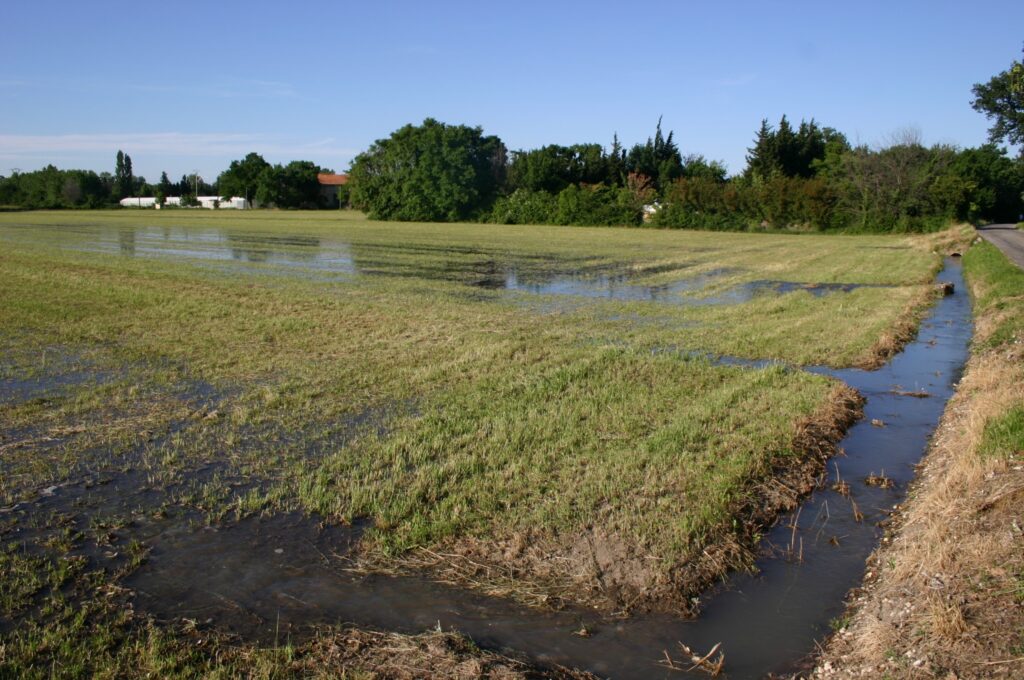
Water level monitoring of the alluvial aquifer of Avignon
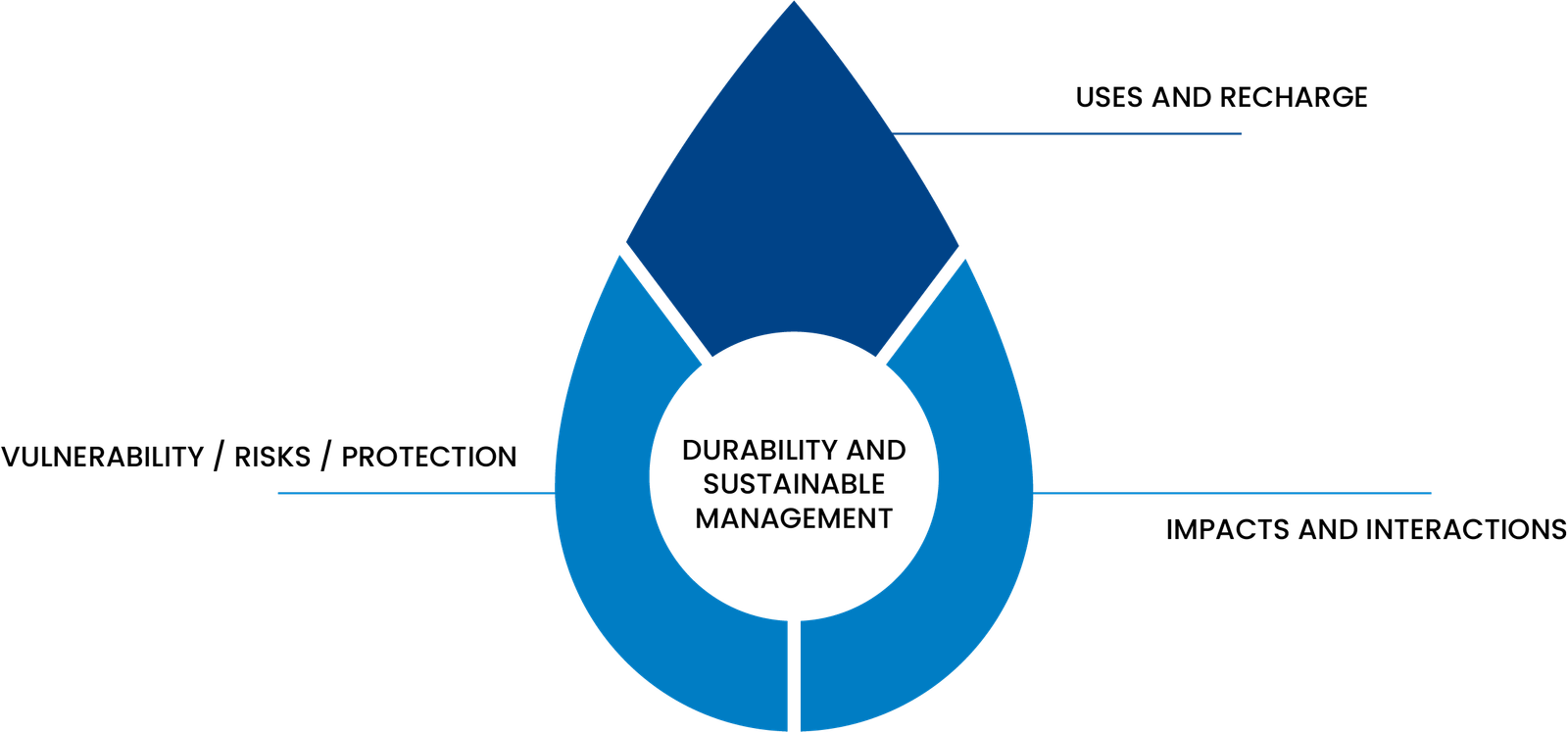
The hydrogeology laboratory of Avignon University and the GeEAUde Chair monitor groundwater levels in the alluvial aquifer of Avignon — a strategic resource on which many users depend and that is influenced by anthropogenic activities.
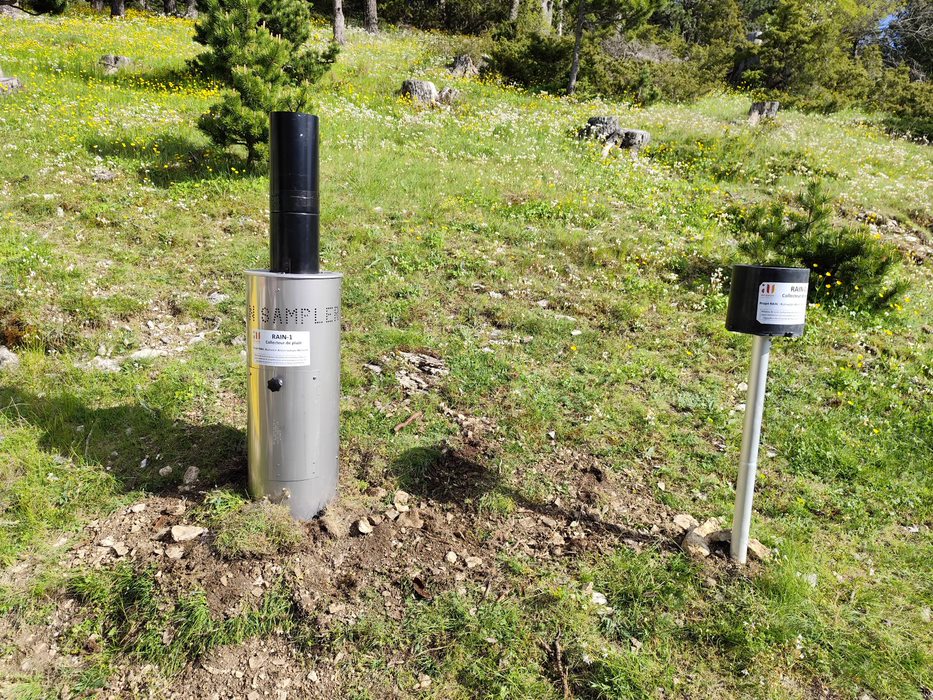
RAIN : isotopic monitoring of rainfall on the Albion Plateau
The RAIN project is a participatory science project that aims to better understand how the Fontaine-de-Vaucluse spring works by conducting isotopic monitoring of rainfall over its catchment area.
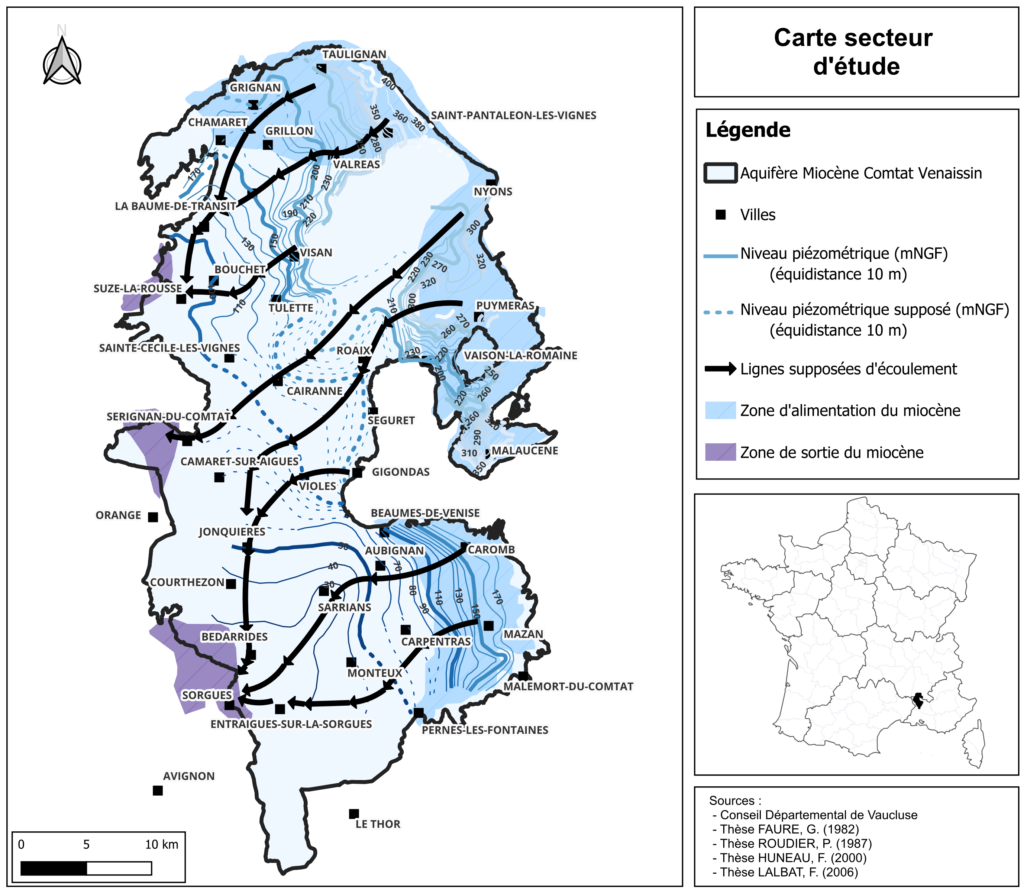
PhD : Functioning of the Miocene aquifer in Comtat Venaissin : isotopic tracing, dating, and groundwater renewal rates
Thesis on the study of the functioning of the Miocene aquifer in Comtat Venaissin with the aim of determining the age of its waters and identifying their mode of circulation, recharge, and renewal.

Coupling geological and hydrogeological approaches to understand the structure and functioning of the Miocene aquifer of the Comtat Venaissin.
As part of the GeEAUde partnership chair, this PhD project, conducted in collaboration between IFPEN and Avignon University, began in November 2025. Its aim is to improve understanding of the structure and functioning of the Miocene aquifer of the Comtat Venaissin, particularly in the Carpentras and Valréas basins.
Global change and sustainability of groundwater resources: The contribution of isotopes and distributed recharge to prospective hydrogeological modelling
As part of the GeEAUde chair, this thesis – ini-tiated in October 2023 – aims to improve hy-drogeological modelling by integrating isotopes and distributed recharge. The goal: better characterize the aquifer and its boundary con-ditions to anticipate future changes.
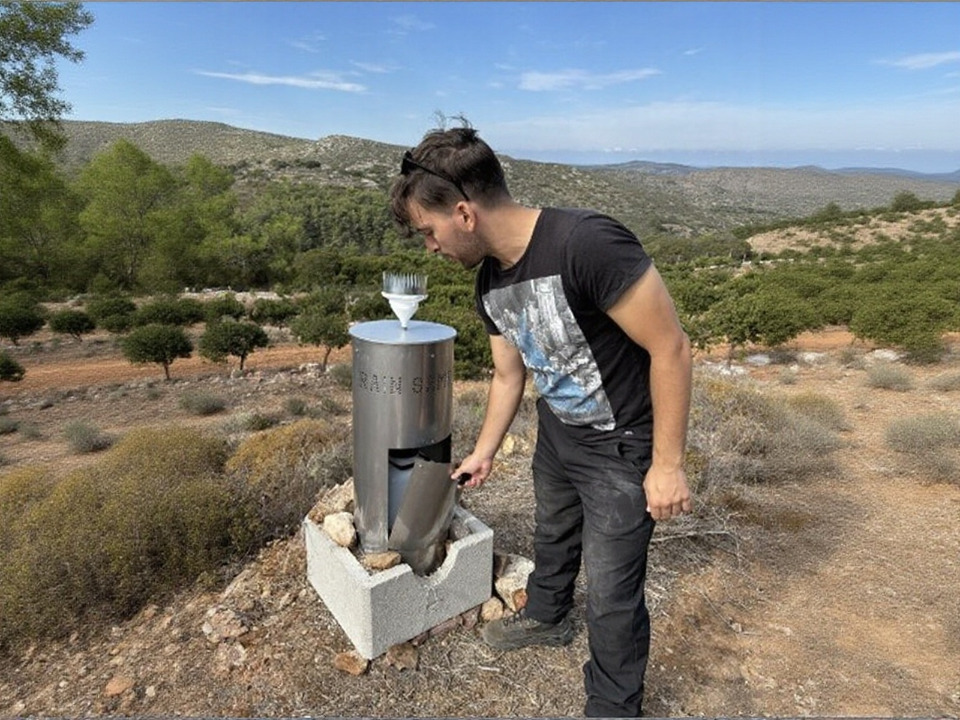
A multidisciplinary approach to sustainable water resource management in island environments facing climate change and extreme weather events: The Chios Island as a pilot case
The impact of climate change and human activities on water resource trends is now a major so-cietal challenge. This is particularly true in Mediterranean island environments, where poor water resource management, combined with the effects of climate change, leads to water scarcity, ecosystem degradation, and conflicts over water use.